

Looking Beyond the Surface: Seeing the True Essence of People and Things
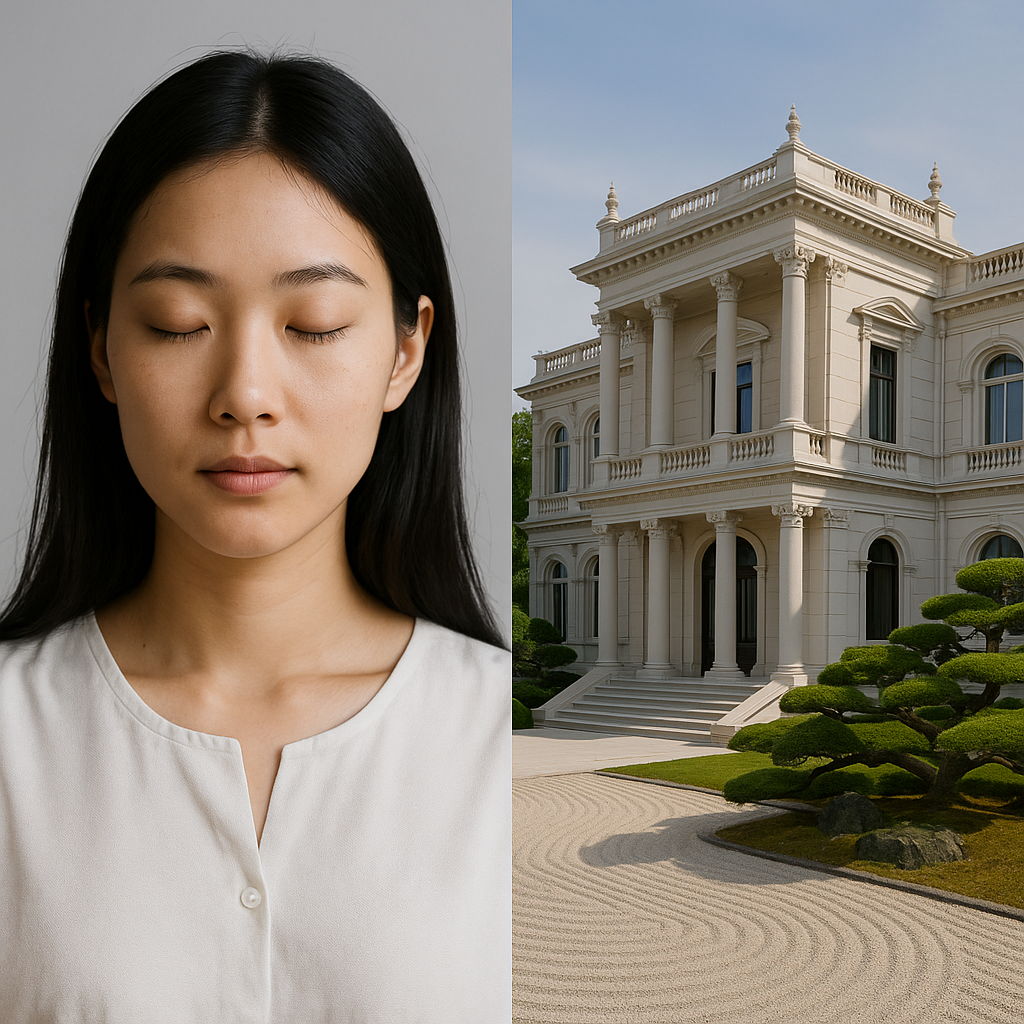
In Japan, where I live, the cultural focus on appearance is not as strong as it is in the West. When it comes to fashion, architecture, and design, it is clear that Western culture often leads with elegance and visual impact. The beauty of style and outward presentation in Western societies is remarkable.
Yet in the East, our eyes are often drawn to a different form of beauty—one that cannot be seen at first glance. This is the beauty of inner character and consistency. It does not reveal itself immediately but appears over time through repeated actions and sustained relationships. People with this kind of hidden beauty allow us to discover their greatness as we get to know them more deeply.
The same perspective can be applied to architecture. Japanese buildings, when viewed casually, may seem overly simple compared to Western structures. However, beneath the plain exterior lies careful design rooted in resilience. In a country frequently struck by earthquakes, Japanese buildings are engineered with structural strength and earthquake resistance. This hidden design does not stand out visually, but it brings safety and peace of mind.
In Japan, when we talk about aesthetics, we often prioritize calmness, harmony, and subtle balance over grandeur or luxury. This is also a form of beauty—quiet yet deeply meaningful. At the same time, I believe there is value in allowing this inner strength and quality to be more visible. For instance, it is possible to combine visible elegance with hidden safety, creating beauty that works on multiple levels.
The point is not to declare one culture superior to the other. Instead, the future lies in integrating the strengths of both East and West—merging visible elegance with hidden strength, outward sophistication with inner harmony. By learning from both perspectives, we can create people, relationships, and structures that embody a fuller and more complete kind of beauty.

